BahawalpurHub — Discover the City of Nawabs
Royal Heritage
Palaces of the Nawabs
Bahawalpur's princely era left a distinctive architectural legacy. Its palace complex reflects a mix of Indo-Islamic, Sikh, and European influences that still defines the city's identity.
MUST VISIT
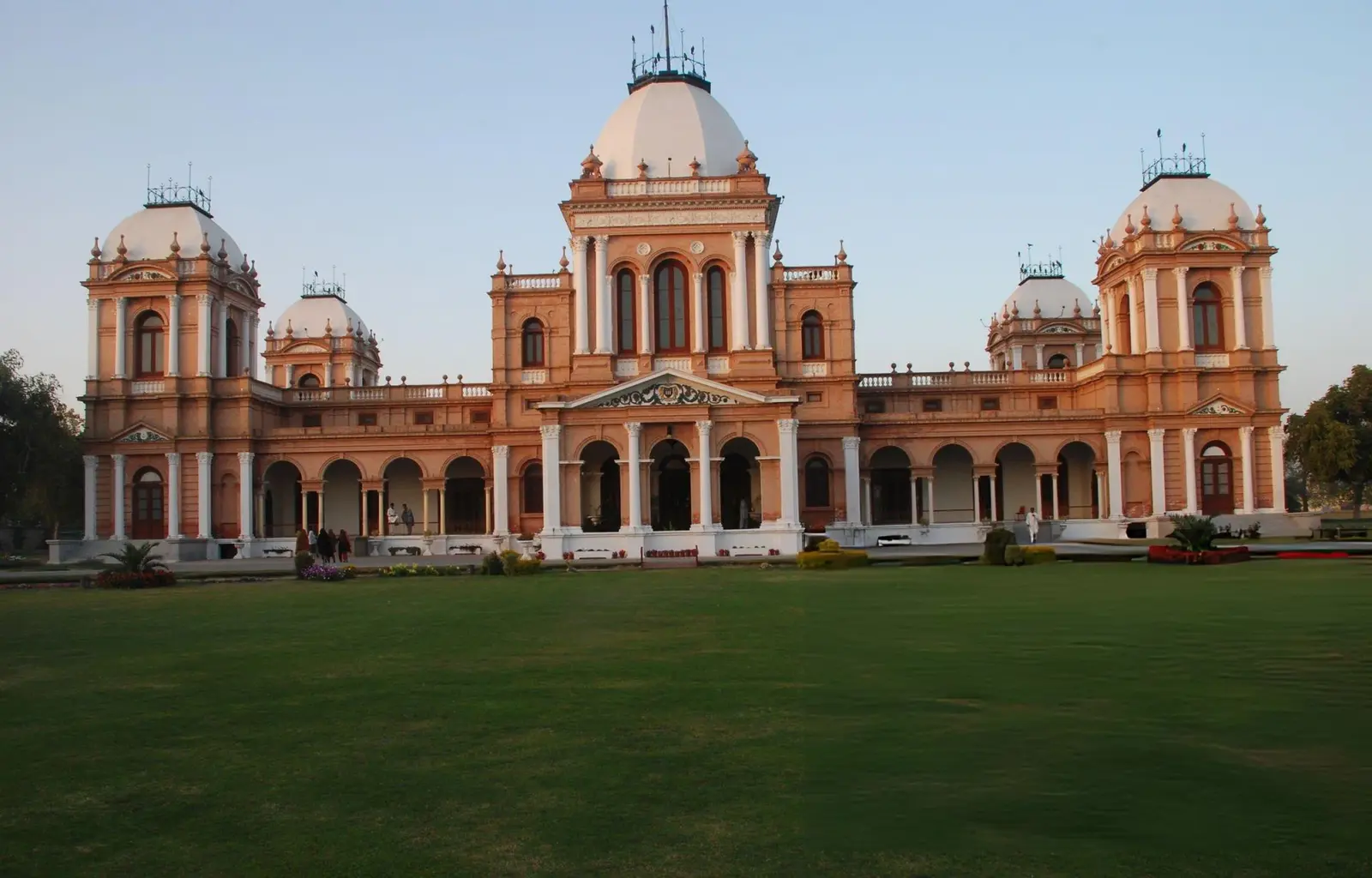
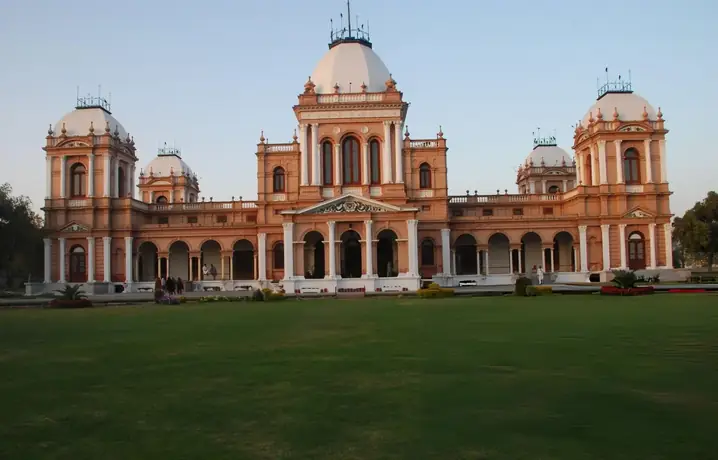
Noor Mahal
The Palace of Light — 1872 to 1875
Commissioned by Nawab Sadiq Muhammad Khan IV, Noor Mahal was founded in 1872 and completed in 1875. Designed by state engineer Mr. Heennan, it combines neo-classical planning with Islamic detailing and remains the best-known palace landmark in Bahawalpur.
Open Noor Mahal page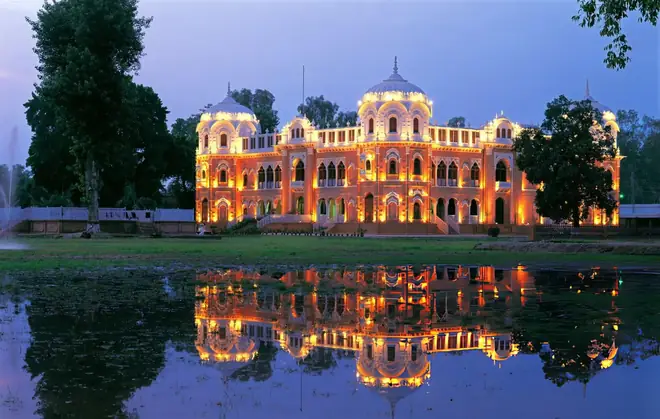
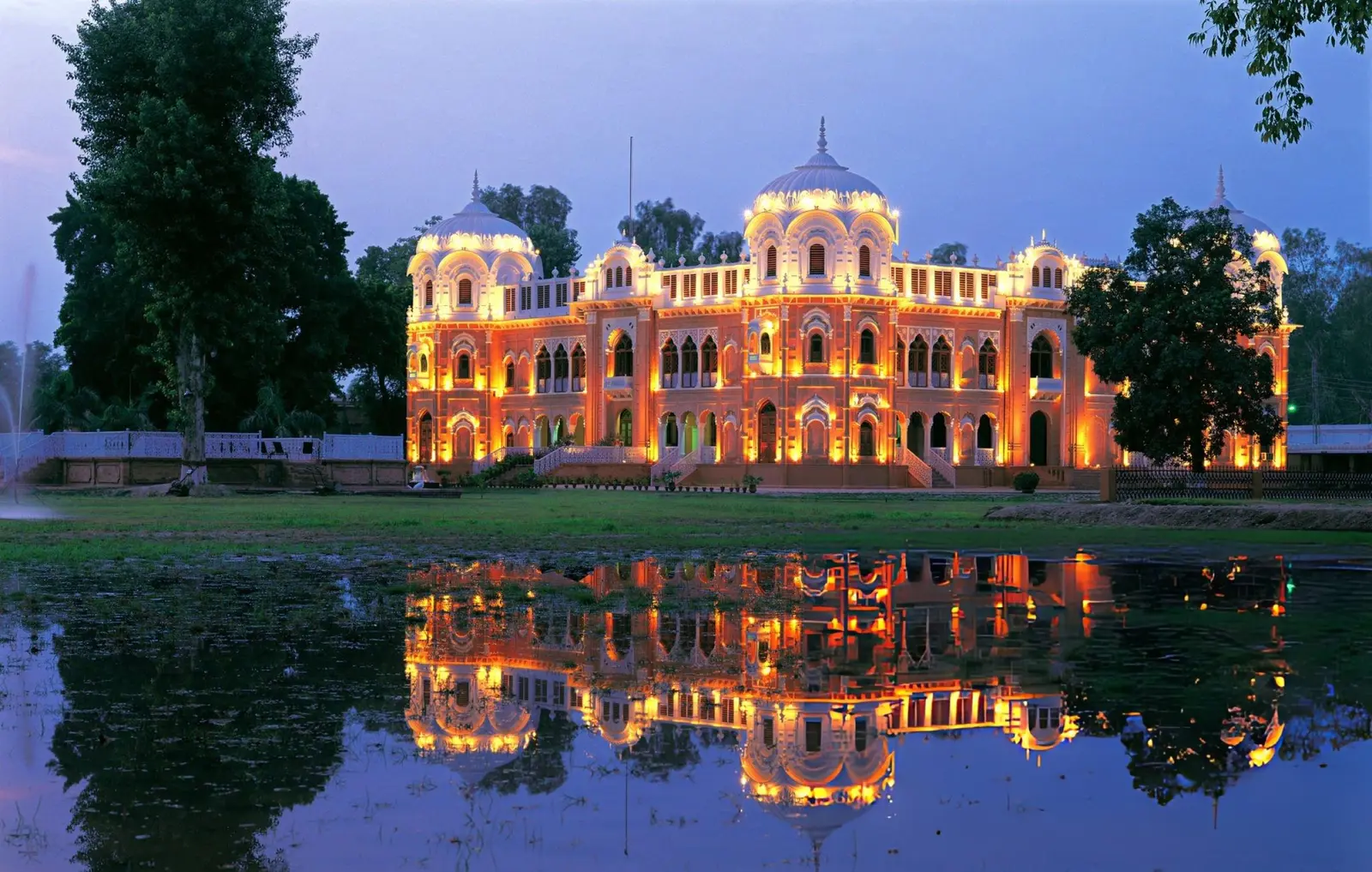
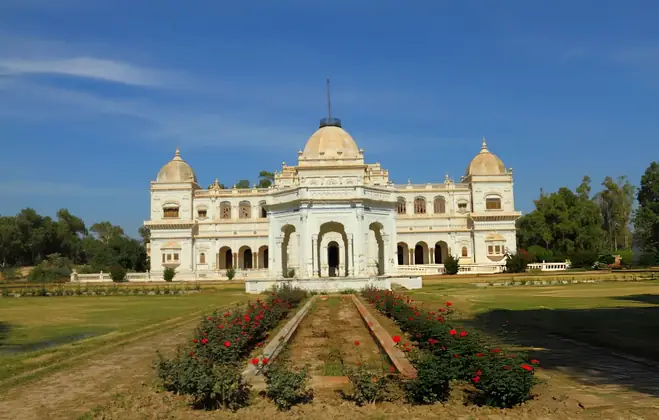
Darbar Mahal
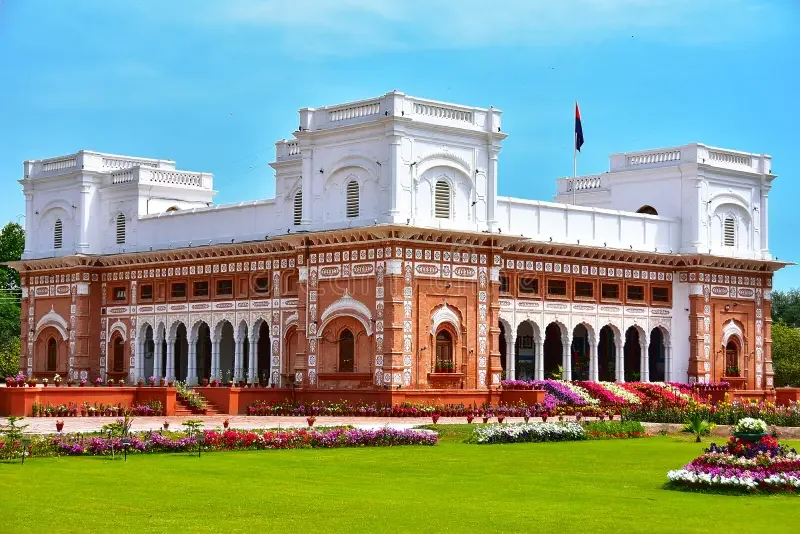
Completed in 1905 for courtly events and state administration, Darbar Mahal is one of the defining monuments of the Bahawalgarh palace complex.
Sadiq Garh Palace
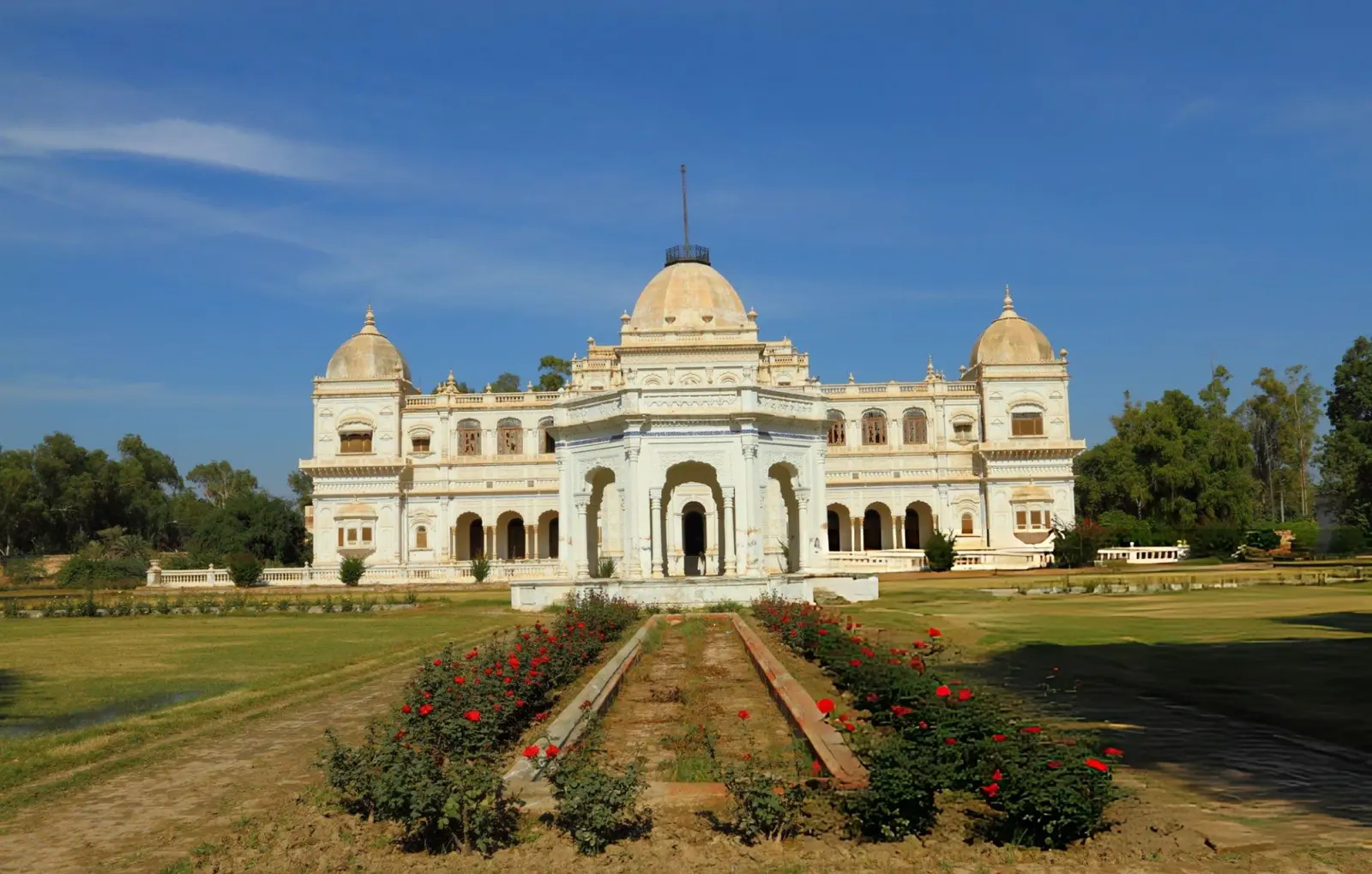
Commissioned in 1882 and completed in 1895, Sadiq Garh is a vast princely complex at Dera Nawab Sahib that reflects the later ceremonial ambition of the Bahawalpur state.
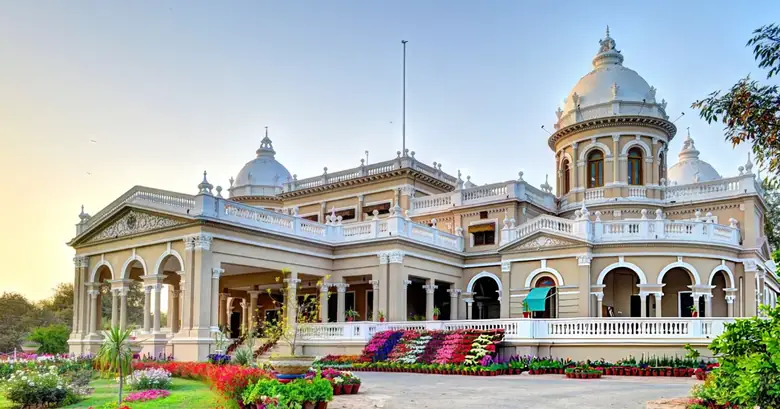
Gulzar Mahal
Built between 1906 and 1909 as a residence for women of the royal household, Gulzar Mahal forms part of the wider Bahawalgarh palace cluster near Darbar Mahal.
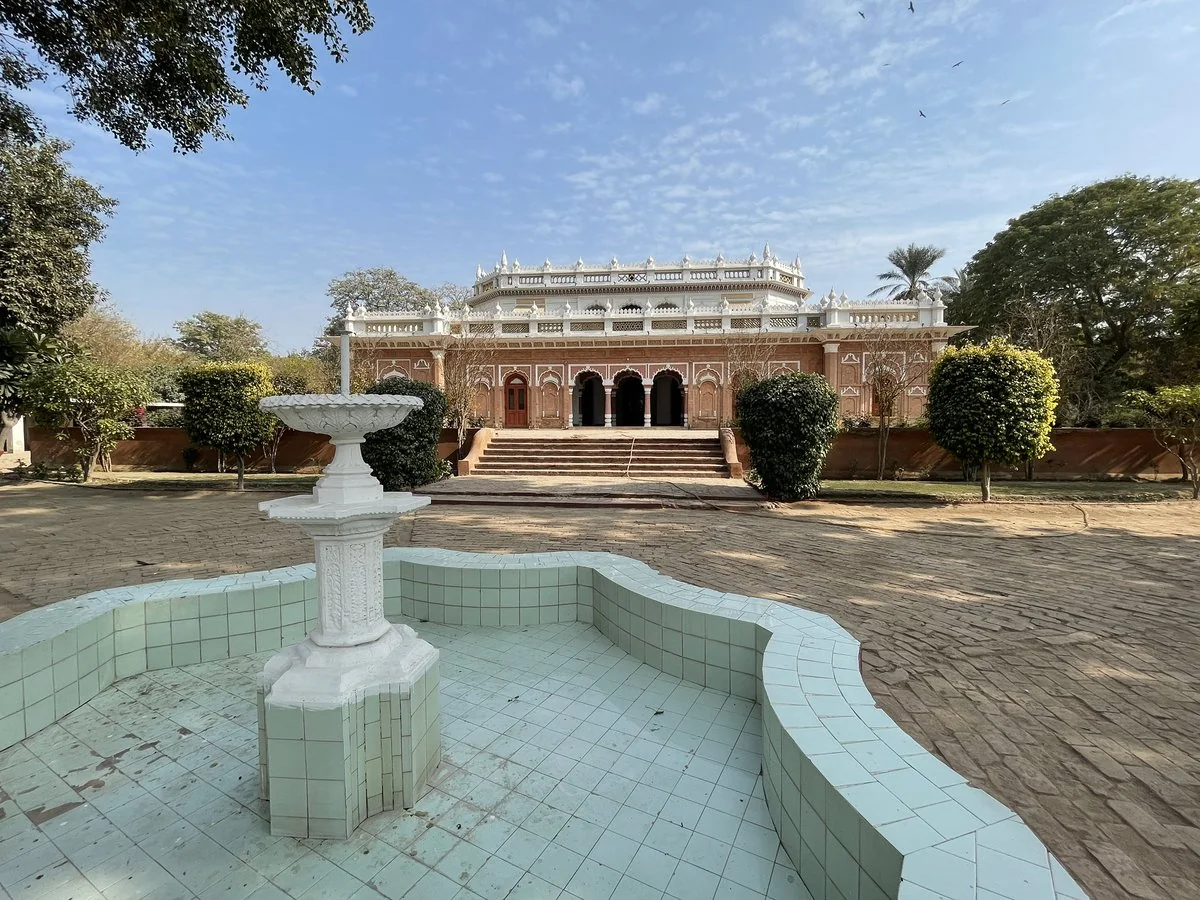
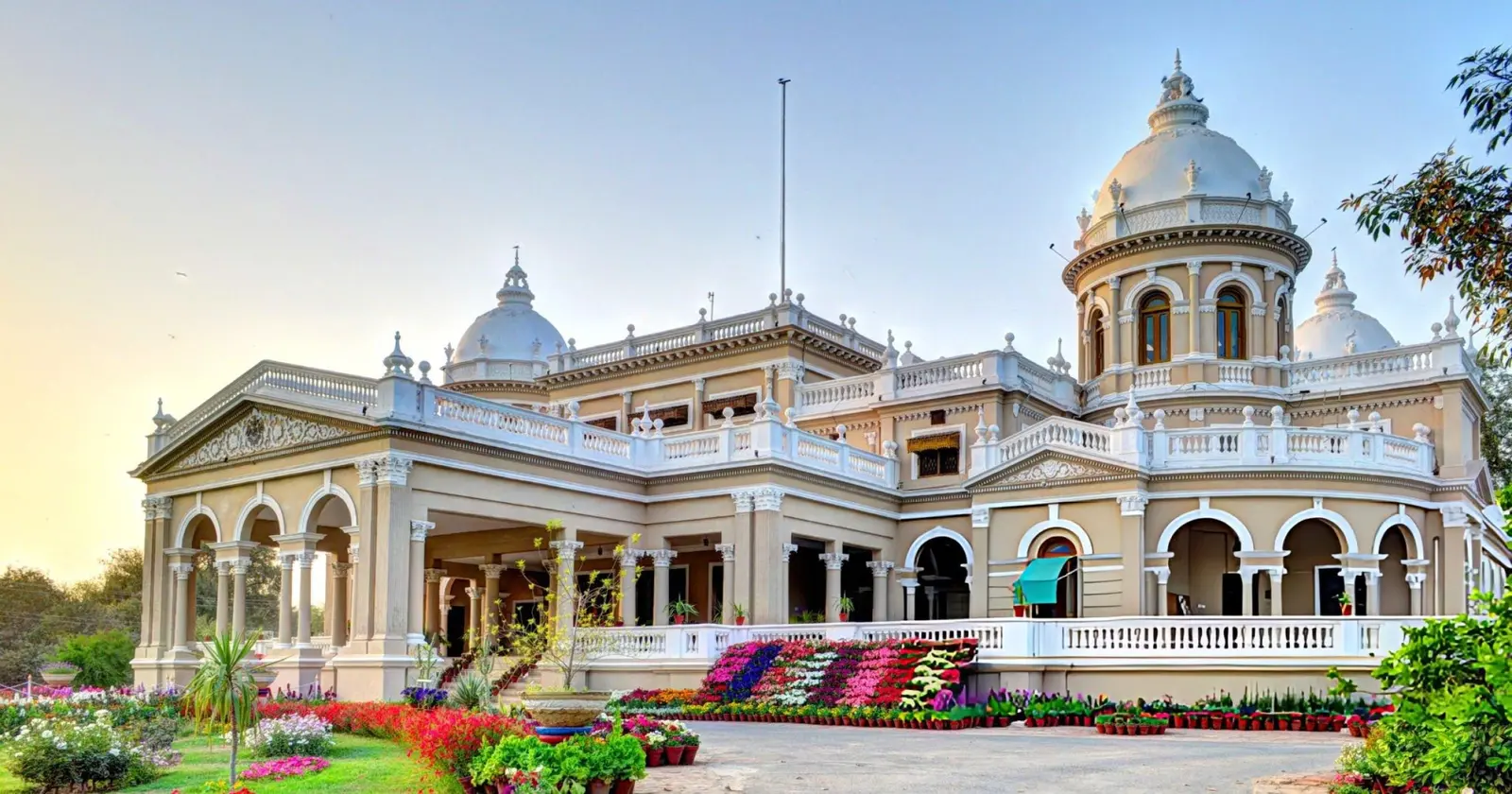
Farukh Mahal
A newly published palace archive route that keeps another Nawabi facade set live inside the Bahawalpur branch without overclaiming unsupported history.
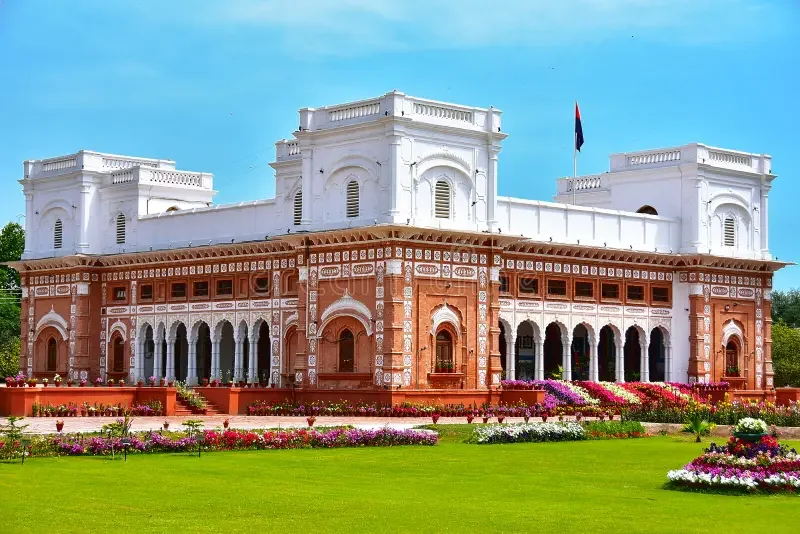
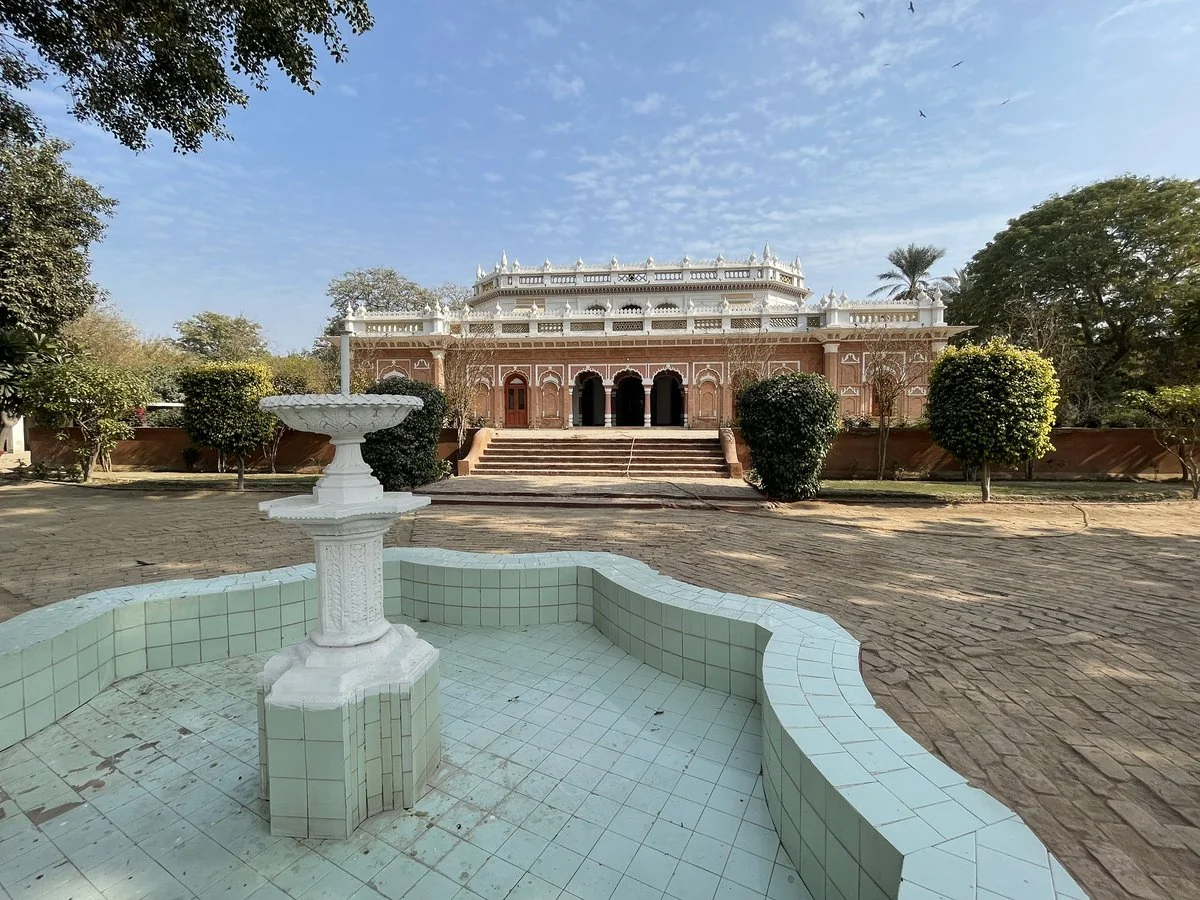
Nishat Mahal
A companion visual archive route that extends the Palaces of the Nawabs section with a live Nishat Mahal image set.
Natural Wonder
Cholistan — The Golden Desert
Roughly 26,300 km² of rolling sand dunes, historic forts, and living desert culture. Bahawalpur is one of the main gateways to Derawar Fort and the wider Cholistan region.
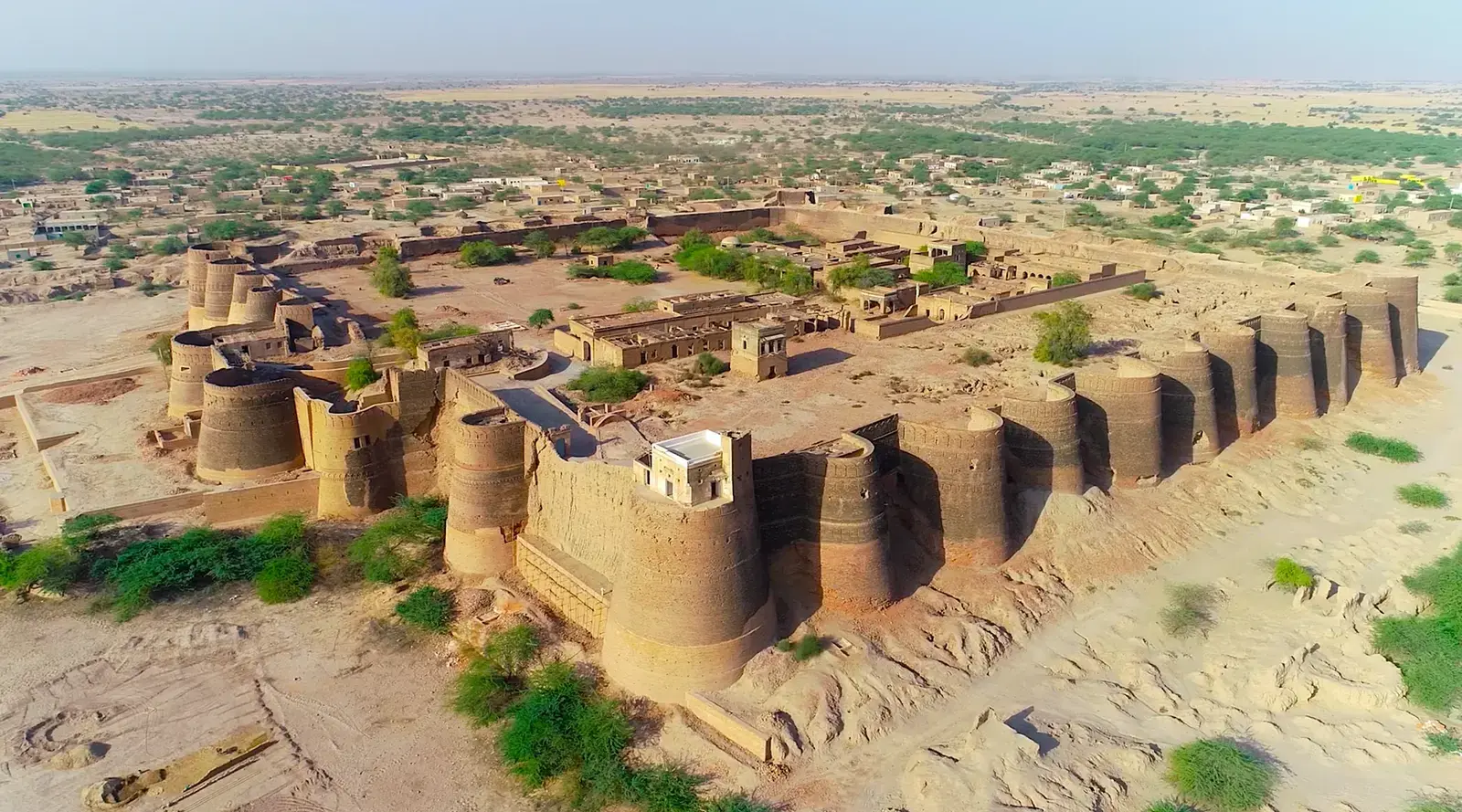
Derawar Fort — Guardian of the Desert
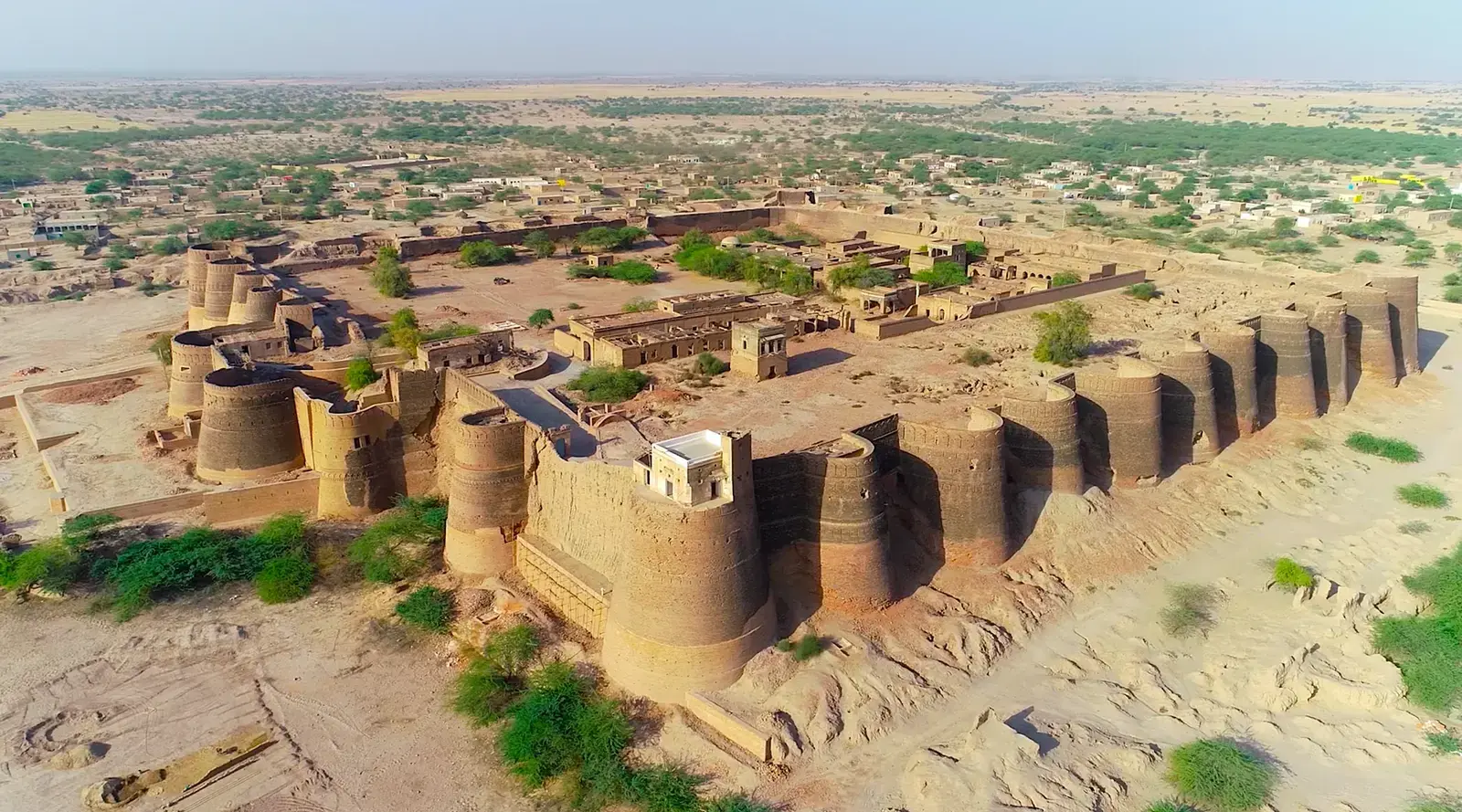
Derawar's 40 bastions dominate the Cholistan skyline. The site is linked to an earlier Bhati fort associated with 858 CE, while the present form was renovated in 1732 by Nawab Sadeq Muhammad of Bahawalpur. The nearby Abbasi Mosque and royal graves are part of the wider Derawar landscape.
Desert Jeep Rally
A major annual motorsport event associated with the Cholistan season
Desert Camping
Stargazing under clear skies, no light pollution
Lal Sohanra Park
UNESCO biosphere reserve with desert, forest, and wetland habitats
Rohi Culture
Meet the Cholistan nomads and their ancient traditions
Flavors of Bahawalpur
A Culinary Journey
Bahawalpur's food culture blends princely dining traditions with southern Punjab street and home cooking. The dishes below are central to the city's culinary identity.

Signature Dish
Sajji
Whole lamb or chicken, marinated with minimal spices, skewered and slow-roasted over a fire pit for hours. The meat falls off the bone — smoky, tender, unforgettable. Originally a Balochi dish adopted by Bahawalpur's royal kitchens.
Royal Sweet
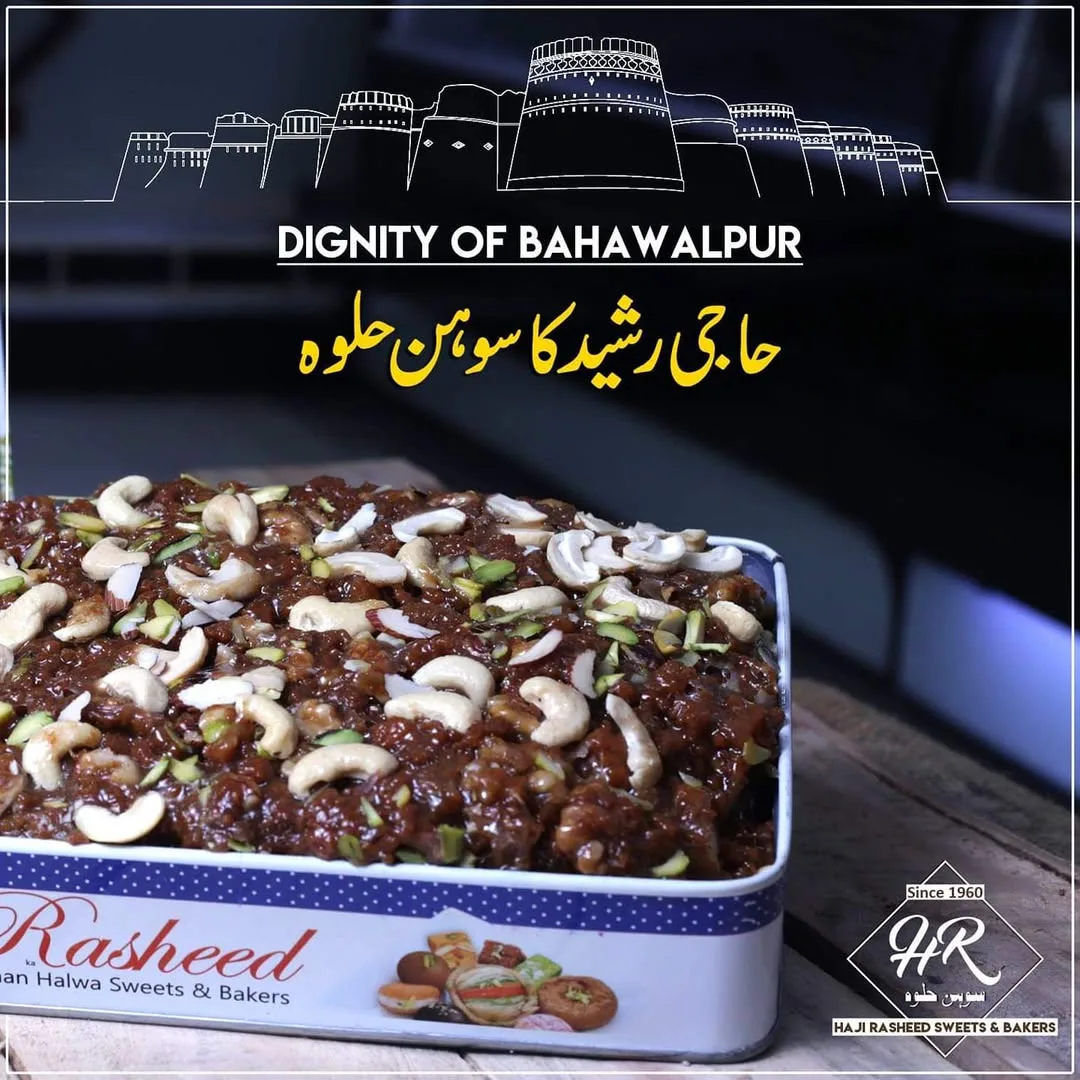
Sohan Halwa
A dense sweet associated with Bahawalpur and the wider region, usually prepared with ghee, sugar, and aromatics such as cardamom. It remains one of the city's best-known food gifts.
Local Specialty
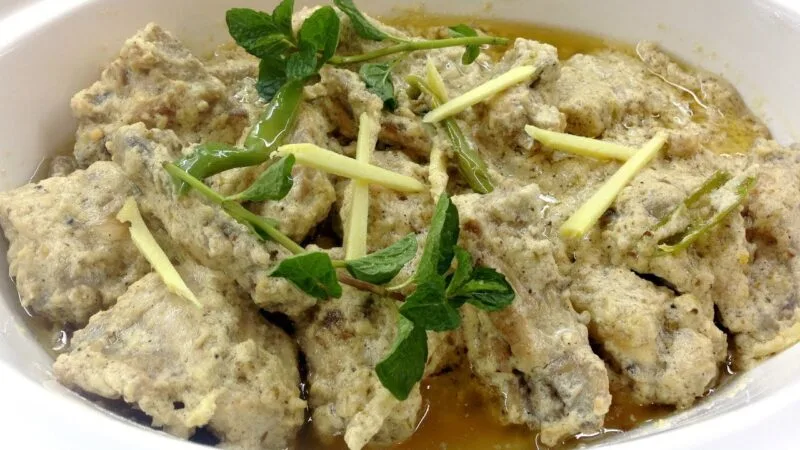
Chitta Gosht
A mild white meat curry associated with Bahawalpur's royal-style cooking, usually built on a yogurt-based gravy rather than the deeper red masala common in many other meat dishes.
Through the Ages
History of a Princely State
From its 18th-century founding to its later princely-state legacy, Bahawalpur's history is defined by dynastic rule, landmark architecture, and its position on the edge of Cholistan.
1748
The Founding
Bahawalpur was founded in 1748 by Nawab Bahawal Khan I and developed into the capital of the Bahawalpur state on the edge of the Cholistan region.
1833
Treaty with the British
Nawab Muhammad Bahawal Khan III signed a treaty with the British in 1833, preserving Bahawalpur as a princely state with internal autonomy under British protection.
1872–1909
The Golden Era
The late 19th and early 20th centuries produced many of Bahawalpur's best-known palace landmarks, including Noor Mahal, Sadiq Garh, Darbar Mahal, and Gulzar Mahal.
1947
Accession to Pakistan
Under Nawab Sadiq Muhammad Khan V, Bahawalpur acceded to Pakistan on 7 October 1947 during the transition from princely states to the new country.
1955
Administrative Integration
The princely state of Bahawalpur was merged into West Pakistan through the One Unit policy in 1955. After One Unit ended in 1970, the region became part of Punjab.
Today
Renaissance of Heritage
Bahawalpur remains a major heritage destination in southern Punjab, with Derawar, Lal Suhanra, and the palace complex continuing to shape its tourism identity.
Editorial Direction
Travel stories and guides now anchor the live route system
The blog and destination architecture are both live now. The strongest way to use them is to move between editorial depth and the route-first pages for palaces, food, history, planning, and Cholistan.
Live now
Complete Guide to Noor Mahal Bahawalpur
The flagship heritage guide: timings, architecture, context, best time to visit, photography angles, and how Noor Mahal fits into the wider royal story of Bahawalpur.
Live now
Derawar Fort and Cholistan Planning Guide
A practical desert guide covering routes, travel timing, what to carry, common mistakes, and what visitors should realistically expect from a Derawar day trip.
 Live now
Bahawalpur Food Guide: What You Should Actually Eat
Not just a list of dishes. A real food route through Sajji, Sohan Halwa, Chitta Gosht, bazaars, and the local stops that matter to both visitors and residents.
The cornerstone guides are live now. Use the blog for narrative depth, then step into the hub and destination pages when you want faster route planning.
Explore Blog SectionPlan Your Visit
Plan your Bahawalpur trip with a clearer route
Open the planning hub with a furnished trip brief, preset route, live trip summary, and a direct request flow when you want local help shaping the stay.
Choose the route that fits your trip
Use these route shortcuts to enter the planner with the right brief already loaded, then fine tune the month, party shape, and transport support inside the planning hub.
Preset-based trip briefs
First-time, food weekend, nature reset, and desert classic routes now open with
meaningful defaults for different types of visitors.
Live planning brief
The main planner updates the trip summary, budget logic, and route framing as the
user changes month, party size, and transport needs.
Cleaner conversion path
WhatsApp requests now carry the actual trip brief instead of a vague homepage
share action.
Default route
First-time city break
Open the planner with the strongest baseline for most new visitors to
Bahawalpur.
Food-led route
Food-focused weekend
Send users straight into the market-and-dining version of the city
itinerary.
District extension
City + Cholistan classic
Use the more transport-aware desert route when the user already wants a fuller
district trip.
Start with a furnished plan
Each route below opens the planner with a preloaded trip brief so visitors can move from a strong starting point into a more personalized plan.
First-time city break
A two-day comfort city-first plan for a pair in peak season with city transfer help. This is the safest planner entry point for new visitors.
Food-focused weekend
Use this when the city should be read through bazaar timing, sweets shopping, lunch, and dinner movement instead of just heritage stops.
Build the route around your trip, not just the city highlights.
The planning hub helps visitors move from a strong preset into a more complete
Bahawalpur stay with clearer transport, timing, and request details.
Explore the City
Attraction Map Explorer
Switch between the main live routes and landmark anchors without leaving the homepage. This keeps city heritage, district outings, and nature stops in one lighter planning surface.
Heritage route
Route layer
Heritage
Use this when the trip starts with palaces, city
history, and easy first-day movement.
District zone
Bahawalpur City
The active location shifts between city anchors,
district extensions, and desert or nature routes.
Next action
Route-aware handoff
Use the route page for planning context, or open the
place directly in Google Maps from the action panel.
Noor Mahal
The clearest first heritage stop in the city and still the best route anchor for first-time visitors.
Know Before You Go
Practical Information
Everything you need for a smooth trip to Bahawalpur — from getting there to the best time to visit.
Getting There
Bahawalpur Airport (BHV) has limited flights. Most visitors fly to Multan (MUX, 1.5 hr away) or take a train on the Karachi–Lahore main line. AC coaches from Lahore take 6-7 hours.
Best Time to Visit
October to March is ideal. Summers exceed 45°C. The Cholistan Desert Rally in February and Spring Festival (March) are peak events to plan around.
Accommodation
Accommodation ranges from budget guesthouses to mid-range city hotels. If you plan a Derawar or Cholistan outing, confirm transport and overnight arrangements in advance.
Safety & Tips
Bahawalpur is generally safe for tourists. Carry cash (ATMs available but not everywhere). Hire a local guide for Cholistan. Dress modestly when visiting mosques and shrines.